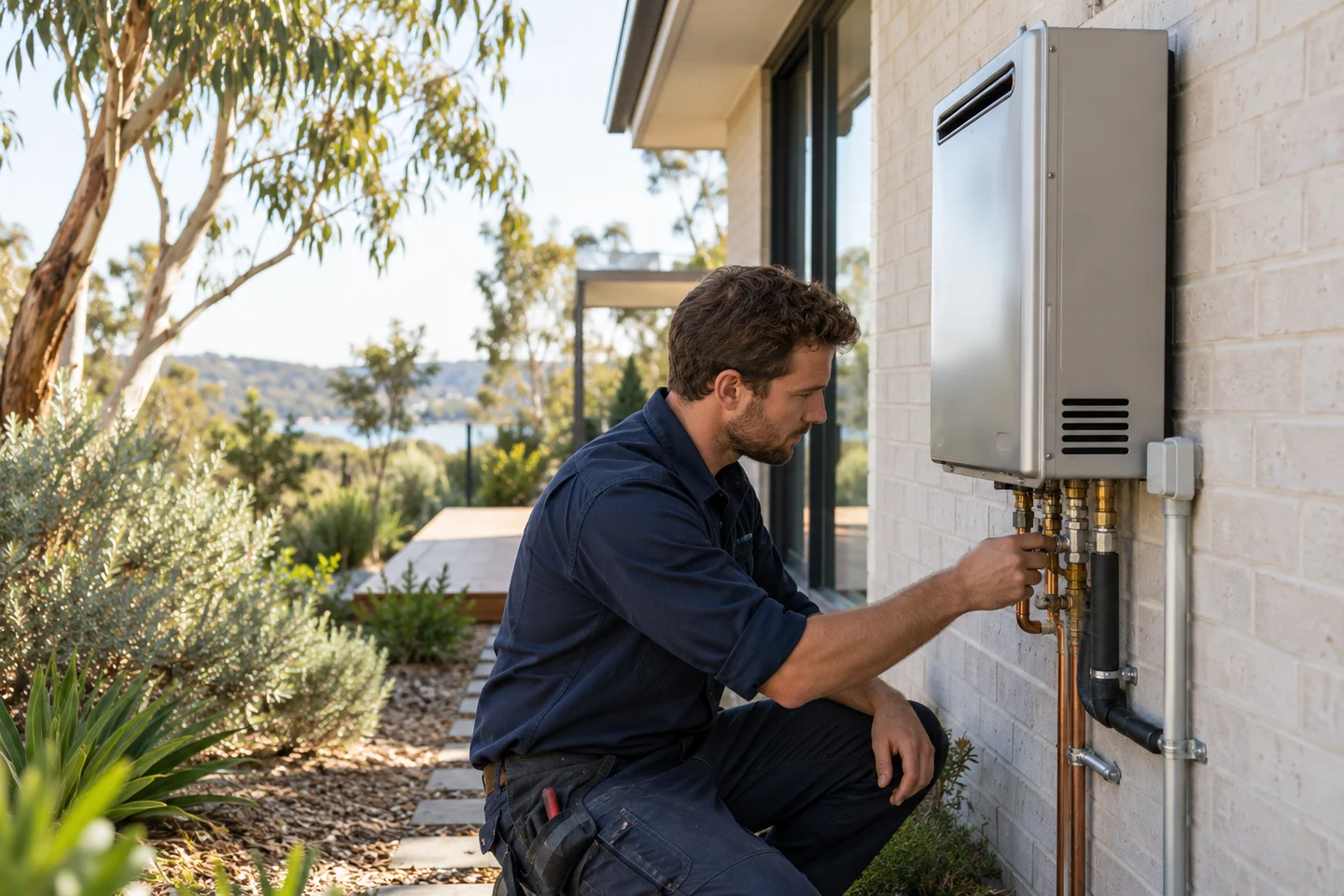
Gas water heaters
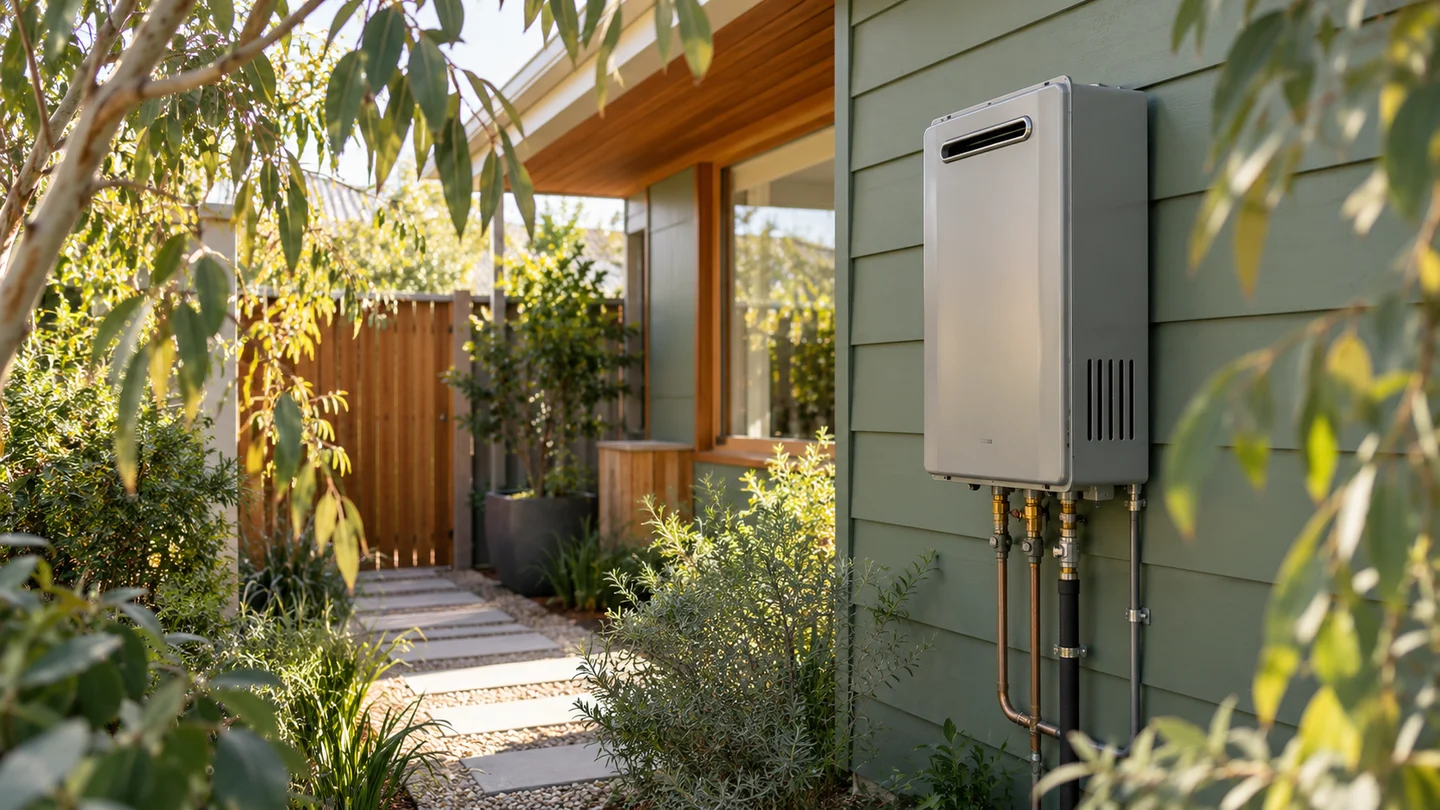
Unreliable hot water, unusual operation or a visible error. Describe the behaviour without opening the unit.
See the scopeAppliance repair enquiries · Australia
A warm fridge. A cold shower. An oven with other plans. Start with a clear picture of the problem, then agree on the next step.
No instant diagnosis. No unexplained repair promise. Your model and location come first.
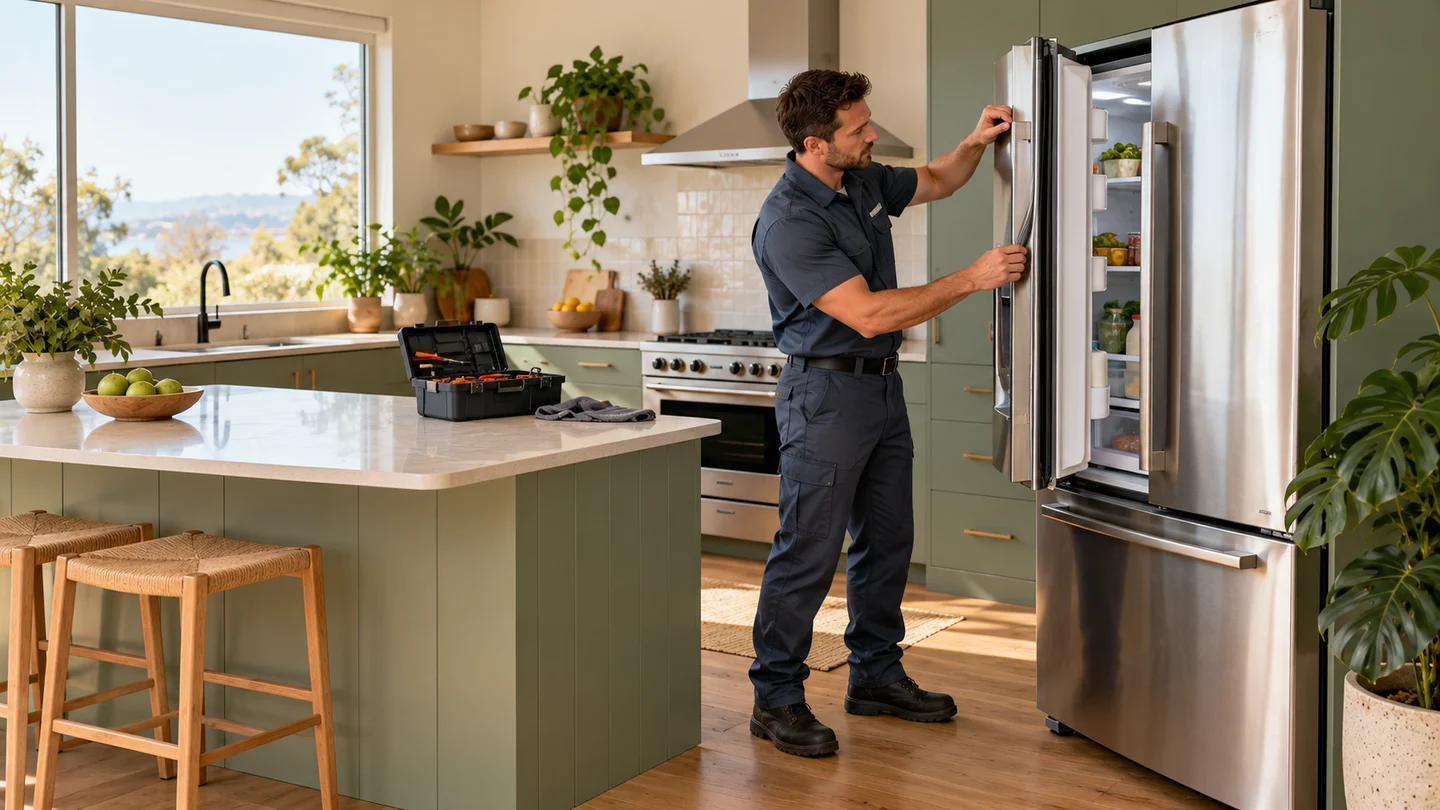
 Four appliance families.
01 / The appliance
Brand, model and approximate age.
02 / The change
What happened, and when?
03 / The place
Your suburb and access needs.
A considered service scope
Unreliable hot water, unusual operation or a visible error. Describe the behaviour without opening the unit.
See the scope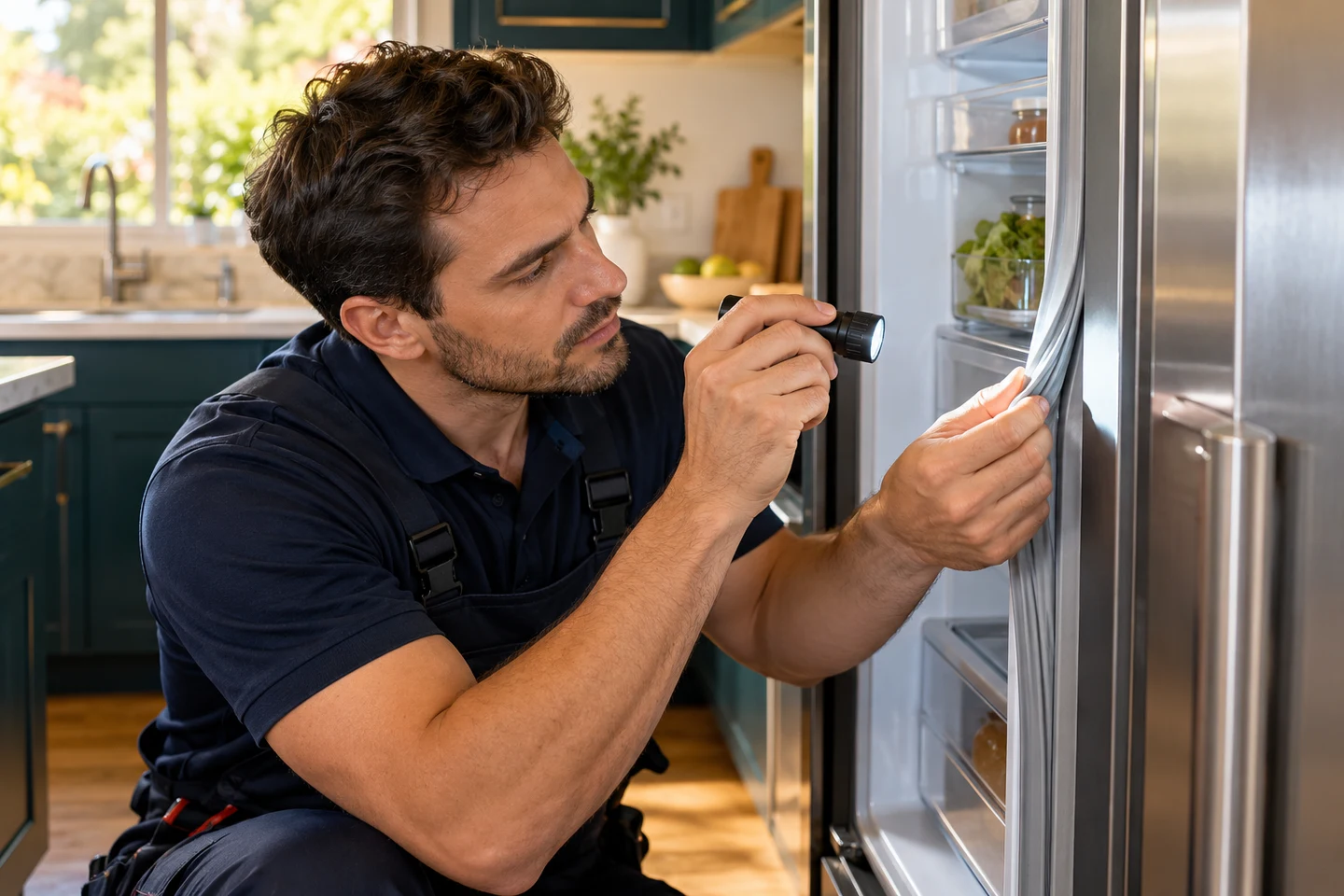
Cooling changes, recurring noise and damaged seals. Record what you notice before discussing parts.
See the scope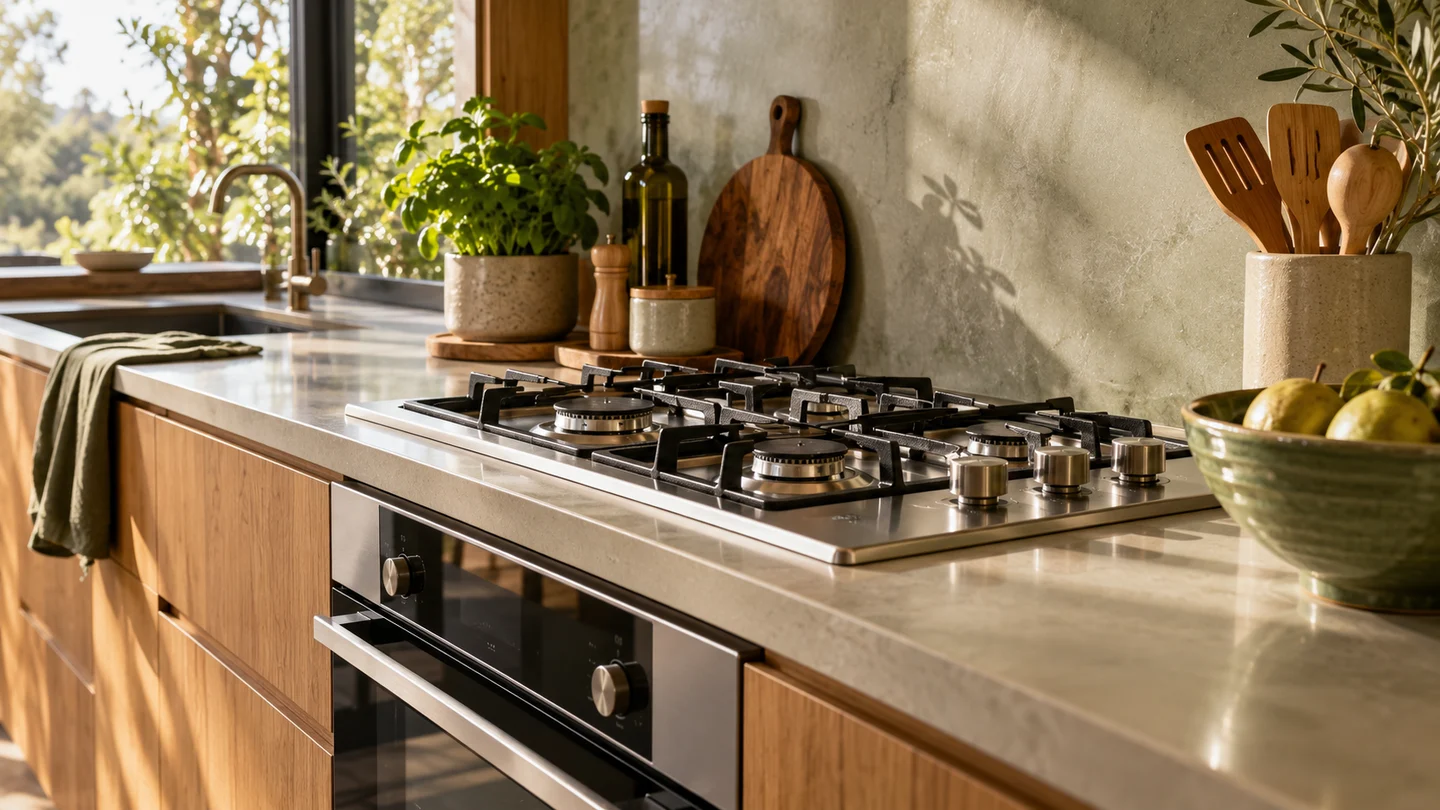
Heating, controls and ignition concerns. The exact model matters more than a guessed component.
See the scope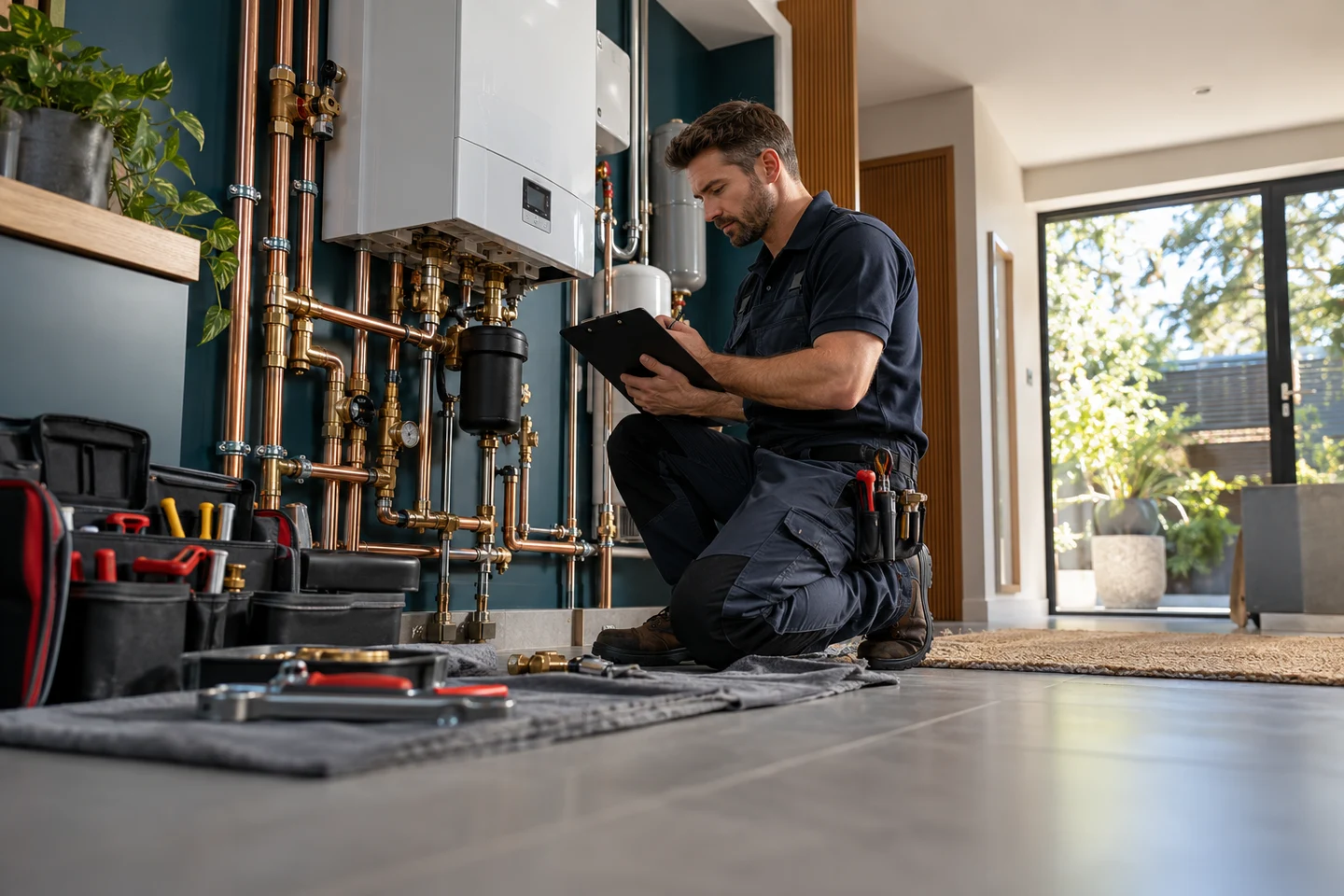
Heating interruptions, warning codes and leaks. Ask about the correct qualified trade for your system.
See the scopeFind the useful detail
Note when cooling changed, whether both compartments are affected and any display message. Avoid repeated door opening.
Describe this symptom ↗Describe the pattern and the unit type. A qualified professional needs to assess the cause; a symptom is not a diagnosis.
Describe this symptom ↗Mention the selected mode and whether the concern is new. Do not remove panels to investigate.
Describe this symptom ↗Say where the sound seems to come from and whether it follows a cycle. Share a description, not a guessed repair.
Describe this symptom ↗Copy the visible code exactly and note the model. Do not repeatedly reset an appliance that is behaving unusually.
Describe this symptom ↗Explain which control is affected and whether there is visible damage. Keep electrical investigation for the appropriate professional.
Describe this symptom ↗No matching symptoms. Try a shorter word or select all appliances.
The important boundary
A routine web form is not an emergency channel. For an immediate threat to life or property, call 000 from a safe place. For a suspected gas leak, contact the emergency number on your gas bill. Do not attempt a gas repair yourself.
Read Energy Safe Victoria’s gas emergency guidance ↗Keep the decision yours
A repair total should have a readable shape. The visit, diagnosis, labour and any parts are different decisions.
Ask what the assessment covers, whether travel is charged and when a revised estimate needs approval. Zelmavira does not publish invented flat repair prices: model, location and inspection affect the scope.
Build your quote questionsA measured process

A useful service discussion separates observations, assessment and approval.
Describe the appliance, your suburb and the change you have noticed. The form records your enquiry securely on this site.
Before arranging anything, clarify local availability, provider identity, trade qualifications and the proposed assessment charge.
A physical assessment may be needed. Ask for the cause, the options and any limits of a proposed repair.
Only proceed after agreeing the work and charges. Keep your written quote and service record for later reference.
Cooling notes

An oven that takes longer, a control that responds differently and an unfamiliar sound are different observations. Write down the setting and the moment you first noticed a change. That short history gives a service professional a useful place to begin.
Clear responsibilities
Have the model, any purchase record and a concise symptom description ready. Ask about access, parking and the expected time on site before agreeing a visit.
Identify who can authorise an assessment and later work. Share tenant contact details only with permission, and confirm the access arrangement separately.
Australia, with local details
Tell us where the appliance is located and whether there are stairs, access restrictions or a preferred contact window. Coverage and timing must be confirmed before a visit can be offered.
Include your locationPrepare without taking anything apart
Use this small preparation list before writing. It stores ticks on this device only.
Device-only checklist.Care, not guesswork
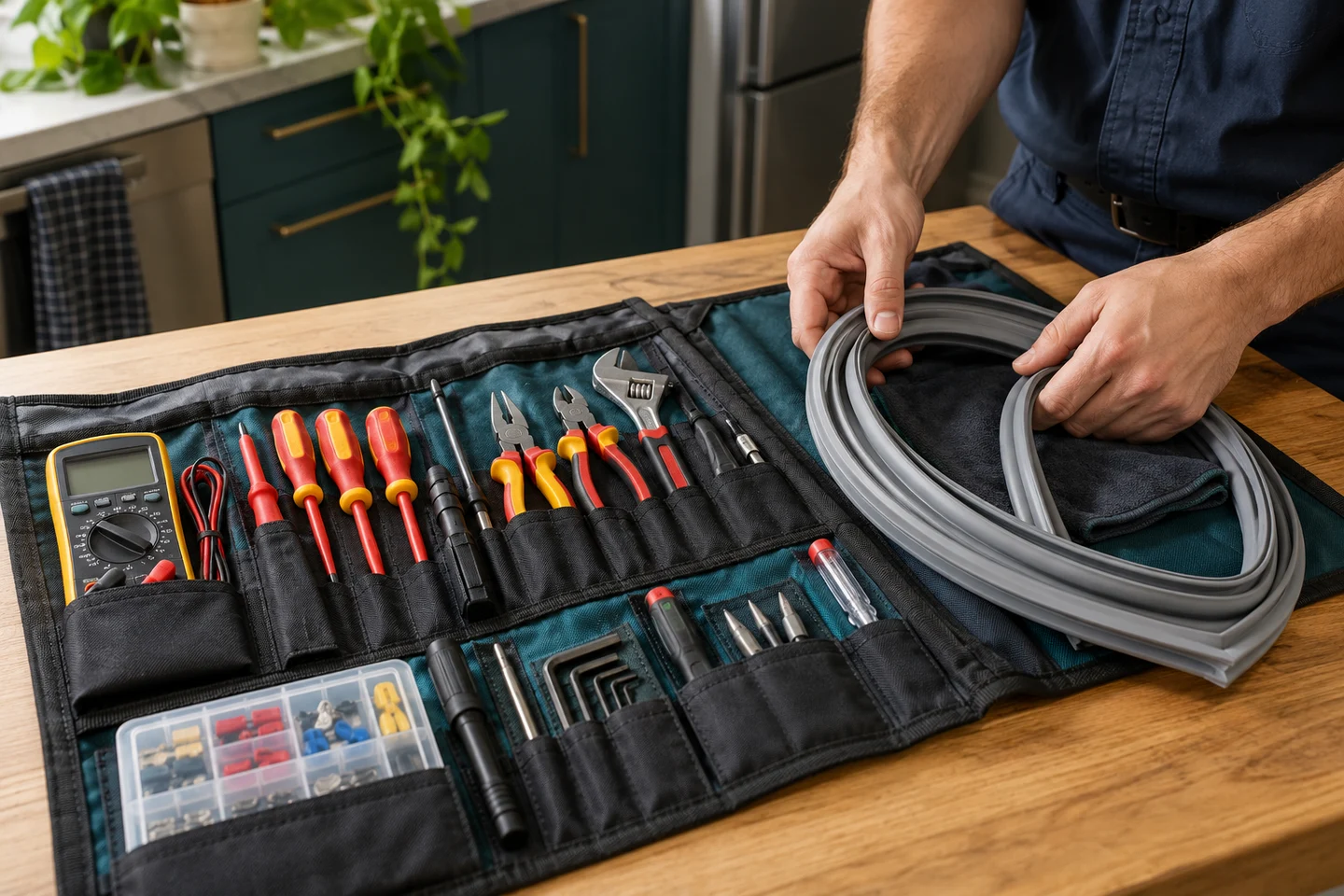
Inspection and testing belong with a suitably qualified professional. The role of this guide is to help you explain the context, understand the proposed scope and recognise when the next step needs a different trade.
The household notebook
A practical sequence for collecting details, discussing access and checking what an assessment includes.
Read the preparation guideFour categories, different systems and a clear boundary between observation and technical work.
Compare the appliance familiesThe reasoning behind a considered enquiry, and what the site can and cannot confirm.
Meet the approachGood to know
No emergency response is promised through this site. Use the appropriate emergency service when there is immediate danger; do not wait for a web enquiry.
No. A saved message is an enquiry record. Local availability, the provider and any assessment arrangements still need agreement.
An error code is useful context but does not establish the cause or final repair price. Include it accurately without interpreting it as a confirmed diagnosis.
The form does not accept attachments. A short model description is enough to begin; leave financial details and personal documents out.
Ready when you are